


K0UO Remote Ham Radio Station for Contesters, DX & others

Updated: 3 days ago

Remote Accessibility of K0UO for Member Users
Explore the robust setup of the K0UO Remote Station.
Overview of K0UO "Extraordinary Remote Station & Location"
The K0UO/R location is a premier Remote Ham Radio Station destination for amateur radio enthusiasts, consistently drawing numerous inquiries each year. Its appeal is driven by its exceptional suitability for a range of activities, including:
1. DX
Operators aiming for long-distance contacts frequently choose remote stations like K0UO/R for optimal conditions and minimal interference.
2. Casual Amateur Radio
Many amateur radio operators prefer using remote stations for casual conversations and experimentation, making K0UO/R a top choice.
3. Contests
With its strategic location, K0UO/R is perfectly positioned for radio contests, allowing operators to maximize their scoring potential even SO2R. Situated in expansive rural areas, the RF noise floor is virtually nonexistent, enabling the station to detect weak signals that urban or suburban operators cannot. Featuring arrays operating at take-off angles of 5 to 10 degrees, K0UO consistently opens first and closes last to Europe, Asia, and over the poles to Western Asia and the Middle East, while maintaining constant connectivity to North and South America.
K0UO/R can HEAR it, WORK it, LOG it.

Curiosity, and reviewing new technology is good for the mine.
Remote Operators can seamlessly control this world-class "Big Gun" Mega station, perfectly located in a tranquil ranch setting. With K0UO's AI advanced remote operation, hams are empowered to engage in Contesting, casual QSOs, or serious DXing from virtually anywhere. Overcome local antenna restrictions, noise, or geographic disadvantages—all with AI control from your own QTH. Experience the pinnacle of Remote Ham Radio technology with our sophisticated site, featuring user-friendly Flex systems with full AI control, and a suite of interactive tools like real-time spotting and band propagation conditions, through a private ionosonde or chirpsounder radar system, using a private proprietary system an AI-assisted propagation optimization control system, is akin to those employed by DoD and commercial entities. Currently, the K0UO site is utilized for a DoD project with the Flex ML-9600X and MLS-9605 and high-power 1500+ legal limit commercial FlexRadio amplifiers. True Continuous Operation — Rated for 100% duty cycle across all modes, supporting demanding 24/7 communication and data requirements. Simplex and Full Duplex Receive Capable, and the proprietary programs.
Cutting edge technology: K0UO & K0UO/R is undoubtedly the only known ham station in 2026 utilizing large HF "Smart Antennas". like the X-Rhombic Arrays.
Also see https://gov.flexradio.com/
Many Contest and DX groups consider this "Remote-Ham-Radio" contract air time use station (K0UO/R), to offer the best value for their time and money, of any pay to use remote ham station, anywhere. Largely due to its exceptional features and user-friendly design. In a competitive market, the remote distinguishes itself by providing a blend of functionality, durability, and affordability that attracts both casual users and serious competitors.

Features and Benefits
One of the key reasons why this Remote is favored among Contesters is its intuitive interface, which allows users to navigate through various options effortlessly. The buttons are strategically placed, ensuring that users can access essential functions quickly without fumbling or losing focus during critical moments. This ease of use is particularly important in competitive environments where every second counts.
Furthermore, the Remote is constructed with durability and quality in mind, designed to endure the demands of frequent use, as required by commercial and DoD projects. This robustness provides an additional benefit to amateur radio operators. Contest participants can depend on it to perform reliably, even under high-pressure conditions. This reliability not only enhances the overall user experience but also instills confidence, knowing they have a dependable tool at their disposal.

Cost-Effectiveness is achieved through the pay-for-use model of the K0UO Remote Ham Radio Station.
Sure, please provide the text where you would like to make this change, and I will update it accordingly.
In terms of value for money, this "Remote Ham Radio" Station" is often considered the top choice because it delivers a range of features typically not even found in higher-priced models. Contesters appreciate that they do not have to break the bank to obtain a device that meets their needs effectively. The balance between cost and performance makes it an attractive option for those who are looking to maximize their investment.
Community Feedback
Additionally, feedback from the community of Contesters reinforces the notion that this Remote is a standout product. Users have shared their positive experiences, highlighting not just the functionality, but also the support and resources available for troubleshooting and tips on how to get the most out of the device. This sense of community further enhances the value of the "K0UO Remote site", as users feel supported and connected to others who share their passion. It is the top subscription-based remote station.
Contest and DX operators have not forgotten how to win. The best stations today are extremely capable. Stacked Yagis, phased arrays, LPDAs, receiving systems, and software-controlled switching have pushed station design far ahead.
But many have forgotten how powerful a large fixed wire array in a quiet location can be.
The old rhombic contest and DX antenna farms were not accidents of history. They worked because they put a lot of copper in the air, aimed it well, and used land as part of the station. That idea still works. In some cases, today’s materials and control systems make it work even better, with
There have literally been tens of thousands of new contact QSOs by others, using their own calls on the K0UO/R

The Station
"The K0UO Remote Acceptable Station" is unlike any other Remote Ham Radio stations globally," a statement that captures the essence of this extraordinary facility and its remarkable capabilities. This station stands out as a true gem in the realm of amateur radio, particularly as a Big Gun Mega Station, renowned for its impressive infrastructure and technological advancements along with the use of AI. One of the defining features of K0UO is its ability to construct and effectively utilize the very large Rhombic, Curtains, V Beams, Log LPDA beams, Low band Four Squares, Delta Loop beams and Beverage receive antennas, which are specialized antenna designs known for their exceptional performance in HF long-distance communication. These antennas are not only complex in their construction but also require significant space, large construction equipment, and careful engineering to optimize their functionality.
The system has self-healing "Smart Control" backups, cost was never a factor "the goal is always max gain and F/B". In addition to the Rhombic and V Beams, K0UO has a diverse array of other antennas, each selected for its unique advantages and capabilities. This variety allows the station to adapt to different frequencies and propagation conditions, ensuring that operators can maintain clear and reliable communications across a wide spectrum of amateur radio bands, all with AI control from your QTH. The strategic placement and design of these antennas contribute to the station's ability to achieve remarkable signal strength and clarity, making it a preferred choice for serious radio enthusiasts and competitive operators alike. Moreover, K0UO is distinguished by its status as the home of the largest HF wire antennas in the world, (miles of wire) that remain operational. This impressive feat underscores the station's commitment to pushing the boundaries of amateur radio technology and its dedication to maintaining a high standard of excellence in operations. The sheer scale of these antennas not only enhances their performance but also serves as a testament to the ingenuity and passion of those who designed and built them. As a result, K0UO has become a beacon for ham radio operators, drawing interest from enthusiasts and professionals who seek to learn from its innovative approaches and unparalleled capabilities.
The Gold Standard: From a technical and raw performance standpoint, it is the one of the most powerful, unique, and highest-gain HF wire antenna farm still in existence anywhere in the world. While systems like RemoteHamRadio (RHR) rely on standard towers and stacked aluminum Yagi antennas, K0UO Massive station focuses on the "Lost Art" of massive, multi-acre HF wire arrays using the newest technology. Located in expansive rural area, the RF noise floor is virtually nonexistent, enabling the station to detect weak signals that urban or suburban operators cannot. With arrays operating at take-off angles of 5 to 10 degrees or lower, K0UO consistently is first to open and last to closes Europe, Asia, Africa and over the poles to Western Asia, and the Middle East, while maintaining constant connectivity to North & South America.
A major game changer
AI Smart-controlled diversity receive & transmit with antenna switching, along with the lightning protection matrix:
DX Spot filtering controls are part of this
With real-time MUF, F layer, D layer absorption, and information on Sporadic E and other Solar & Aurora conditions, the AI-controlled antenna switching matrix confidently selects the best available antenna. This selection is based on conditions, direction, and the necessary takeoff angle of attack for optimal signal strength to specific DX stations, and it can be automatically chosen.
Adaptive "Smart" Phased Smart Array Systems
An adaptive array (often called a fully digital or dynamic beamforming array) continuously controls both the amplitude and phase of the signal fed to each individual radiating element in real time in now in use at K0UO/R. Where AI adds judgment to the automatic control system.
This private ionosonde, or chirp-sounder radar system for a DoD project network system, confidently predicts HF conditions over intervals from 1 minutes to 24 hours. Along with the live DX spots, it grants the operator complete control over the extensive arrays at their disposal, enabling them to make decisions with ease. Managing the vast arrays is straightforward and effortless
Utilizing the DPS (Digisonde-Portable-Sounder), a commercial high-frequency ionospheric radar, it captures electron density profiles, virtual height, Doppler spread, and wave polarization in real time with AI assistance. It assesses all parameters of HF radio signals reflected by the ionosphere and automatically computes the local ionospheric electron density profile in real time.
.K0UO (summer of 2026) now also features a Chirp Sounder which is a software-defined radio-based receiver for observing ionospheric sounders (ionosondes) and over-the-horizon radars. Now working with the AI Smart-assisted propagation optimization control system, this is ralso major advancement for the s Station.
Customization settings: For CW monitor volume, panafall speed, receive filters, SSB bandwidth,N1NN, Logging, cw skimmer, Band Maps, vfo's, and so many others.
Operating Profiles: You set you own, and then eveytime you log on the K0UO/R, it is your own station setup, you define a personalized set of radio controls just once,.
Spatial diversity in MIMO (multiple-input multiple-output) systems used in modern wireless communications can be used at K0UO. MISO/MIMO Integration: Serves as the foundation for modern HF MIMO (Multiple-Input Multiple-Output) systems, providing high-reliability data links over thousands of kilometers.

In summary, K0UO station is not just another Mega Big Gun ham station; it represents the pinnacle of amateur radio engineering and operational excellence. Its unique combination of advanced antenna systems, including acres of Rhombic and V Beams, making the largest operational HF wire antennas, sets it apart from any other station in the world. This extraordinary facility continues to inspire and influence the ham radio community, showcasing what is possible when creativity and technical skills using traveling wave arrays, come together in the pursuit of effective communication.
Just check out this overview of the "Amplified Re-entrant Rhombic K0UO System" as used on a DoD project, which provided reliable and efficient HF communications for a circuit to Guam from the K0UO site in Kansas. see at https://www.k0uo.com/post/understanding-re-entrant-rhombic-array-antennas-design-features-and-applications

The K0UO/R Super-Station
Every Direction Instantly: Featuring HF rhombic arrays, V-beams, curtains, four squares, fixed wire delta loops, LPDA, and wire Yagi beams, the K0UO arrays effectively cover 14 directions, each separated by an angle of 25° or less. This systematic arrangement is essential as it aligns with the beam width of each individual array, ensuring comprehensive coverage without gaps in detection or signal transmission. The design eliminates the necessity for mechanical rotors, which are often susceptible to wear and tear, requiring maintenance and potentially causing system downtime due to mechanical failures. By employing a fixed array configuration.
AI & "Smart" Automated Integration with self-healing: Using dynamic band management and AI-assisted remote software, the station monitors band conditions in real time and automatically switches the relays in milliseconds to the best antenna for a specific target region or frequency.
The K0UO arrays provide rapid, dependable, and consistent performance, ensuring immediate responsiveness for a range of applications.
Each array is carefully engineered to maintain optimal signal integrity in its designated direction, enhancing overall operational efficiency. This innovative approach not only streamlines the deployment of the arrays but also significantly reduces the complexity and downtime of potential failure points associated with traditional rotating systems. As a result, users benefit from a fast robust and durable solution that maximizes coverage while minimizing maintenance requirements.
Note: Certain remote antenna sites, such as HamCloudX's remote ham radio stations, are not publicly detailed in their knowledge base, meaning that the specific types of antennas and towers used within their network are not explicitly listed (Last checked 8/26). K0UO is classified among the top tier of advanced remote systems, as demonstrated by the antenna farm, and the list of Flex and Icom equipment shown below.
ANTENNA OVERVIEW for the primary site 1
Note: The Rhombic and V-Beam are usable on every band 160 to 6, however as showed below they are most used from 40 to 10/6 meters. K0UO with the RSI Corp antenna Far Field Test Range uses advanced RF measurements to confirm all the antenna performance, with RF surveys in the Far Field
carried out by RSI Corp

Full-sized 1/4 wave 4 Square verticals, for both 160 and 80 meters, (ON4UN/type, hanging off of the 195' tower, using elevated four 1/4 wave radials, on each vertical) with 200 tons of spent iron under the 4 Square verticals arrays.
40 - 6 meters, 40-meter resonant Rhombic traveling wave antennas have been designed, offering up to +14dB gain on 40 meters and even more on higher bands. These antennas are supported by 80 to 100-foot wooden poles. The Rhombics now incorporate a Re-entrant RF power re-circulating system, which significantly enhances efficiency to approximately 90%. This is achieved through proper impedance matching and phasing to recombine the RF power, as well as replacing the termination resistor, usable on 160, 80 and 60 meters
40- 6 meter vertical polarized Rhombic firing to Central & S America @ 160' on the main 195 foot tower, usable on 160, 80 and 60 meters
40 - 6 meters, Three 1200 foot V Beams (Vee-beam) on 75 to 100 foot wood poles
With the four rhombic arrays and three V-beams, the K0UO antennas effectively cover 14 directions, every 25°, the beam width of each array, usable on 160, 80 and 60 meters
The Rhombic has a reputation of "waking up earlier" and "going to bed later" than a yagi of the same gain.
Also High-gain directional beams & LPDA arrays
4 element full size 40 meter vertical wire beam at 100 foot, fixed on Africa
2 element 40 meter full size wire beam @ 180 foot firing west (new 2023)
40-10 meters, Distributed-fed Curtain Array (Billboard) @ 190 feet, which is the highest gain antenna at K0UO. This is the only known ham station using an electrical beam steering curtain, firing from N Europe to the Middle East (0 to 60 degrees)
HF 8 element Log-periodic Beam LPDA, yagi-style log periodic for 20-6 meters @ 195 foot
In 2022 a 100 foot hinge-over Rohn 55 was added, with a fixed wire 4 element 40 meter Delta Loop beam firing east to Africa (using a WA7ARK's model design), along with phasing of the various antennas together. Mote It started out as a six element, but the 4 element had better current in the wire elements.
The 2023 The Big project was adding a beam to the above tower project, a HF Log-periodic Beam, LPDA yagi-style log periodic 20-6 meters @ 100' on the above tower, that can be used with other LPDA as stacked and or phased.
A 160 meter loop was also added in 2023, using the support cables for the delta loop, and the 4 element 40 meter wire vertical beam, this bonus antenna is at a average height of over 100 feet, and is just a great "tool" to have at the station.
Half-wave dipoles on every band, from 160 to 10 meters which can also be SMART Controlled phased stacked, are selected as needed based on the contest and band conditions
These antennas can be Lifesavers for certain conditions
160 meters at 190 & 100 feet
80 meters at 180, 90 & 45 feet
60 meters at 160 & 60 feet
40 meters at 140 & 70 feet
30 meters at 120 & 60 feet
20 meters at 170, 130, 90, & 50 feet
17 meters at 90 & 45 feet
12 & 10 meters at 80 & 45 feet
8 Beverage receive antennas each 800' to 1500 foot long, and each are 2 wire bidirectional providing 16 directions. In the winter of 2022-23 new RX beverage antennas were added that are 1500 feet and the antennas are across the U.S. 281 Highway, just east of the QTH on the creek, with feedlines under the bridge! The K0UO Rhombic Farm is so large it has antennas on both sides of a major U.S. Highway!

Now K0UO has set up a second antenna site, (which is much larger than the original site 1), re-engineering nine X-Rombic arrays with a modern design, and positioning them on a hilltop where K0UO once had a 300-foot tower. The tower's top at this location is 500 feet AGL above the surrounding ranch land, allowing for an extremely low take-off angle. These nine X Rhombic arrays have 1200 feet on each leg, equating to 18 wavelengths on each of the four legs for the 20-meter ham band, with nearly a mile of wire for each array. Offering one array for every 20 degrees of direction for worldwide coverage. This new site absolutely Dwarfs the main "K0UO Rhombic Farm".
This site is intended for Commercial, DoD, along with remote DX and Contest ham radio applications, positioned hundreds of feet above the surrounding ranch land, ensuring an environment free of RFI noise.
K0UO aims for both sites is for exceptional signal strength, low noise, wide-angle coverage without constant rotation, and adaptive optimization for fast-changing conditions. It is well-suited for DXing, experimentation, remote operation potential, and long-path or difficult conditions where high gain +SMART control helps. It is less oriented toward pure high-rate multi-operator contesting.
The two sites now can work together for diversity and remote access.
In short, the 2026 antena site number 2 represents K0UO’s push toward even higher performance through extreme height, larger fixed high-gain wire arrays, and advanced real-time smart control—positioned as a next-level experimental and operational facility beyond the already substantial main station.
Site 2 is the 2026 “next level” expansion—higher elevation, bigger individual arrays, denser directional coverage, and more advanced automated/smart control. The two sites are geographically separate and can complement each other for diversity and remote operation.
The station leverages, the Land area using large arrays with SMART technology controls systems.

Now more antennas for K0UO/R, K0UO has set up a second antenna site, (which is much larger than the original site 1), which will be utilized alongside the K0UO Remote Ham Station, incorporating up to six additional HF FlexRadio units.
Utilizing a re-engineered set of nine X-Rhombic arrays with a modern design using Smart Controls, they are positioned on a hilltop where K0UO once had a 300-foot tower. The top of the tower at this location is 500 feet HAAT, above the surrounding ranch land, providing an exceptionally low take-off angle. Each of the nine X Rhombic arrays features 1200 feet on each leg, corresponding to 18 wavelengths on each of the four legs for the 20-meter ham band, with nearly a mile of wire for each array.
This new site is significantly larger than the main "K0UO Rhombic Farm," and it includes "Smart Technology" arrays. Each individual nine-array covers an area exceeding 11.32 acres, almost the size of 10 football fields. Refer to the site layout in this blog for more details.
Comprehensive Coverage with High-Gain Directional Arrays
Implementing an array every 20 degrees is essential for global coverage, addressing all directional angles for effective signal distribution and reception. Dividing the compass into 18 sections minimizes interference and maximizes clarity, allowing for precise signal adjustments tailored to specific regions.
Benefits of Utilizing Multiple Smart Antennas
1. **Enhanced Signal Quality**: Each array optimizes performance within its 20-degree sector, reducing signal degradation common in broader angles.
2. **Improved Spatial Resolution**: Dedicated arrays for each segment provide higher spatial resolution, ensuring consistent connectivity in diverse locations.
3. **Adaptability to Environmental Factors**: Multiple sets of arrays enable tailored strategies for each sector's unique geographical challenges, improving overall performance.
Global Implementation Strategy
To implement this system globally, a comprehensive strategy is needed, including:
- Site Surveying: Conduct surveys to find optimal locations for arrays, considering population density, infrastructure, and signal propagation obstacles.
- Smart Technology Integration: Use advanced technologies like beamforming and MIMO to enhance array capabilities, manage high traffic, and ensure seamless connectivity.
- Continuous Monitoring and Maintenance: Create a framework for ongoing monitoring and maintenance to keep arrays operational, with regular assessments and updates.
- Geographic Propagation Advantage of Kansas: K0UO's hilltop location is ideal for DX and radio contests, offering low RF noise and the ability to detect faint signals, unlike urban areas.
With the new X-Rhombic arrays at site number 2, operating at take-off angles of less than 5 degrees, K0UO/R consistently leads the way, being the first to open and the last to close to Europe, Asia, and across the poles to Western Asia and the Middle East, while also keeping a steady connection to South America.
Contesting is not won by size alone—it is won by rate, accuracy, and signal advantage. Multiple sources emphasize that operator skill is the most important factor in contesting, even more than hardware. However just think about using new AI technology, Smart Antennas and Controls along with that experienced DX & Contest operator. The K0UO new design X-Rhombics provide massive forward gain, extremely low noise, and instant direction switching—advantages normally not available even in super-stations. Now with Smart AI Array Control even faster recognition, real time propagation knowledge, with fast accuracy in over all management .
Self healing to help the station stay on the air, by moving to alternate antennas, rotors, computers, PLCs, radios, power supplies, switches, by-passing relays and other controls. Checking SWR, temperatures, current, voltage, sensors, indicator warnings, and CPUs.
Please note, this K0UO blog presents antenna gain data in dB gain, not dBi. Don't be misled by dBi. All field tests are conducted by RSI Corp and are professionally documented.

The above shows the 8 Beverage receive antennas each 800' to 1500 foot long, and each are 2 wire bidirectional providing 16 directions. In the winter of 2022-23 new RX beverage antennas were added that are 1500 feet, and the antennas are across the U.S. 281 Highway, just east of the QTH on the creek, with feedlines under the bridge! The K0UO Rhombic Farm is so large,that it has antennas on both sides of a major U.S. Highway U.S. 281.
Stand-alone towers: RSI Corp and K0UO/R has access to a series of dedicated stand-alone towers up to 500 feet tall (there are no other users on these towers) specifically designed for DX (distance) operations or contest use, as well as for far-field testing of antennas. There is fiber optics serving all of these tower also. All of the towers are uniquely positioned, standing tall and isolated in a very rural ranching setting, ensuring that no other antennas are mounted on them or interference .

Utilizing large HF Yagis or LPDA antennas, this strategic setup allows for optimal performance and minimal interference, making them ideal for serious ham radio enthusiasts and professionals alike. The effectiveness of these antennas is significantly enhanced by their design and placement, particularly when installed on tall towers that elevate them above the surrounding landscape. This elevation is crucial, as it enables the antennas to operate at low takeoff angles, which is especially beneficial for long-distance communication. Consider how these towering structures could be utilized by you or your group. The versatility of these tall HF towers means they can be oriented in various directions to maximize signal strength and reception quality. When coupled with high-gain antennas, these setups become even more powerful, allowing users to reach distant stations with clarity and reliability. The strategic positioning of these antennas on hilltops and elevated terrains provides a significant geographical advantage, ensuring that signals are transmitted and received with minimal obstruction. Furthermore, these prime locations are often characterized by non-existent noise and minimal Radio Frequency Interference (RFI), creating an ideal environment for clear communication. The absence of urban noise pollution and other electronic disturbances allows for a more enjoyable and productive ham radio experience. No other remote ham radio site offers such a unique opportunity, where the combination of height, strategic placement, and high-quality equipment converges to provide unlimited possibilities for users. Whether you're an individual operator, part of a club, or involved in emergency communications, the potential of utilizing these advanced HF towers is immense. The ability to connect with fellow enthusiasts across vast distances, participate in contests, or provide critical communication during emergencies becomes not just feasible but highly effective. In summary, the integration of tall HF towers with high-gain antennas in optimal geographic locations presents a remarkable opportunity for ham radio operators. It opens up new avenues for exploration, experimentation, and communication, solidifying its place as an essential tool for both hobbyists and professionals in the field of amateur radio.
Located at a distance of up to 20 miles from the main 4KS airport and K0UO/R site on the east side of the Kansas Red Gyp Hill ranching area, these towers are part of an extensive test range that facilitates a variety of radio frequency experiments and competitions. All can be connected with a private microwave internet point-to-point backbone network or fiber.
The towers are registered with the FCC Antenna Structure Registration (ASR) system. Several notable structures are listed, including the following:
#1,216,715 at a height of 59.5 meters on site, with HF LPDA & large HRS Curtains
#1,252,737 reaching 70.2 meters,
#1,252,738 towering at 89.6 meters,
#1,260,299 standing at 42.6 meters,
#1,314,639 at 88.4 meters,
#1,216,786 reaching a height of 97.5 meters, HF antennas and many spare 7/8in hadline coax for antennas as needed, this tower is on a 300ft hill 800ft AGL
#1,252,503 at 77.7 meters,
#1,235,485 at an impressive height of 149.4 meters dedicated to FM broadcasting, It has had many ham antennas and feed line are in place
and finally, ASR# 1,252,009 standing at 85.30 meters.

The main ground system is tied into two, 5400 feet deep oil well casings (lightning protection) counterpoise, and over 200 tons of spent iron ore throughout the site and under the 4 Square verticals arrays.
Filtering system for all bands and antennas
This presents a very unique situation and offers significant advantages for a variety of projects and planned contests.
The isolated nature of these towers ensures that they can be used without the complications that often arise from nearby antennas, such as signal interference or cross-talk. This makes them particularly valuable for those involved in high-stakes contests where every decibel counts and precise signal clarity is paramount. Furthermore, the strategic distance from the airport adds another layer of operational advantage, as it minimizes the risk of interference from airborne communications or other airport-related radio frequencies.
Additionally, the height and specifications of each tower allow for a diverse range of antenna configurations, enabling users to experiment with various setups tailored to their specific needs, whether that be for long-distance communication, contest participation, or rigorous testing of radio equipment. The combination of these factors makes RSI Corp and K0UO/R a noteworthy choice for amateur radio operators and professionals seeking to maximize their capabilities in the field.
In conclusion, the dedicated infrastructure provided by RSI Corp and K0UO not only enhances the potential for successful DX operations and contests but also fosters an environment conducive to innovation and experimentation in HF radio communications. This unique setup is indeed a significant asset for the both the commercial and ham radio community.
Diversity receive is used 100% of the time, at K0UO also. https://www.k0uo.com/post/diversity-receive-is-used-100-of-the-time-at-k0uo
Also see The K0UO Rhombic Farm at https://www.k0uo.com/post/the-king-of-wire-antennas-is-a-rhombic

K0UO is not just a "Remote Ham Radio" station — it’s a full remote, high‑power, multi‑antenna HamSCI for HF research projects, and DX hunting station, with a large physical footprint with a commercial‑grade installation, that has a focus on advanced antennas and technology, all with" AI control" using real time data.
K0UO/R only uses reservations for all contest. You will not be kicked off if you take a short break. Your reservation guaranteeds you have it for the full contest.
Why would anyone want to use their site if you were planning on a full contest.
Unfortunately other remote site does not and can kick you off their remote
RHR new policy on contesting is simple: grab a station and operate as needed. When you take a break, the station becomes available again.
Their on updated on 26 May, 2026


Remote Operation of Ham Radio Stations
Remote operation represents a significant advancement in the world of amateur radio, allowing operators to manage their ham radio stations from virtually any location that has internet access. This flexibility means that whether you are situated in the comfort of your home, while traveling, managing your radio equipment from a hotel room, or even utilizing your vacation spot while at the office, you can maintain full control over your station. Additionally, this technology allows enthusiasts to operate from stations like K0UO station equipped with an exceptional world class antennas, and very low RFI, all while being miles away from the physical site.
The Evolution of Remote Station Technology
Contemporary remote station technology has evolved significantly, even self-healing systems, making it feasible and reliable for a wide range of activities that amateur radio operators engage in. This includes popular pursuits such as Contesting and DXing, where operators aim to make long-distance contacts; contesting, which involves competing to make the most contacts in a limited time; digital modes that facilitate data transmission, CW and SSB over the ham radio frequencies.
Key Components of Remote Operation
To successfully establish and operate a remote accessible ham radio station, several key components must be considered. These include:

Hardware
The hardware required for remote operation typically involves a combination of radio transceivers, antennas, and computer systems. The transceiver must be capable of being controlled remotely, and many modern models come equipped with built-in capabilities that support remote access. Antennas, which play a crucial role in signal quality and range, should be positioned optimally to maximize performance. Additionally, a reliable internet connection is essential for seamless operation, as it serves as the backbone for communication between the operator and the station.
As a Host Station, K0UO only uses FlexRadio 8000 & 9300/9600X and Icom IC- 7760 radios with high-speed internet by fiber, running to the equipment. All with AI systems controlling antennas and equipment.
The power amplifiers are engineered to deliver continuous HF frequency coverage at consistent power levels, with a 100% continuous operation rating across all HF modes. It is easy to configure and monitor via a secure, straightforward web interface that includes fault-reporting capabilities and visible external LEDs. Advanced switch-mode power supplies enhance efficiency and minimize heat, while the amplifier’s LDMOS devices are safeguarded against harmful load conditions and excessive heat sink temperatures. The amplifier also offers intuitive, user-friendly operation and straightforward maintenance procedures, ensuring affordability. The HF power amplifiers from FlexRadio, Inc. is the perfect choice for dependable and efficient HF communications for both voice and data.

Software
On the software side, various applications and platforms are available that facilitate remote control of ham radio stations. These programs allow operators to manage their radio settings, tune frequencies, and even engage in digital modes of communication. Some software solutions offer user-friendly interfaces that simplify the process of connecting to the station, while others may provide advanced features for experienced operators looking to optimize their setup. K0UO now only uses the Flex Radio platforms, or the stand alone Icom IC7760s, with specialized filtering and High Power True Continuous Operation — Rated for 100% duty cycle across all modes 1500+ Legal limit amplifiers. The station uses a synchronized Local Area Network (LAN) and Wide Area Network (WAN) architecture.
Using IP-switched matrix systems and AI for total control of the station as needed remotely.
True Continuous Operation — Rated for 100% duty cycle across all modes, supporting demanding 24/7 communication and data requirements.
Self-healing: The system is equipped with numerous AI-driven self-healing capabilities, with continuous efforts underway to enhance its performance and resilience. These features employ advanced algorithms to monitor system health in real-time, identifying potential issues such as resource spikes or downtime before they escalate. The system can automatically initiate recovery protocols, such as reallocating resources or applying software patches, thereby minimizing downtime and maintaining optimal performance. We are also integrating machine learning to enable the system to learn from past incidents, enhancing its ability to predict and address failures. For instance, these AI-driven functions can automatically detect anomalies in system behavior, such as unusual spikes in resource usage or unexpected downtime, along with the system controls. Like changing from a bad control box for the LPDA rotors, or radios if one has a failure, along with other swiching equipment. Upon identifying these irregularities, the system can initiate predefined recovery protocols, which may include reallocating resources, restarting affected services, or even applying patches to software components without requiring manual intervention. Furthermore, we aim to expand self-healing functions to manage complex scenarios using intelligent decision-making frameworks that prioritize actions based on impact. This development signifies a substantial advancement in system maintenance and low downtime reliability, while exceeding user expectations in performance and dependability.
Sierra Radio Systems General Purpose Input/Output (I/O) Modules are the heart of the some of the Station Controller system allowing the user to turn station power on and off, control power to ancillary devices, measure voltages and equipment temperatures. Featuring a total of 18 I/O channels to control and monitor a variety of items within the shack.

FlexRadio SmartSDR TM
The FLEX-8000 series and Aurora SDR transceivers by FlexRadio are specifically designed for remote operation. SmartSDR, the software powering these radios, is network-native, allowing you to run the SmartSDR client on any Windows computer and connect to the radio via a LAN or the internet with minimal latency and excellent audio quality. Flex offers the most seamless remote operating experience, featuring an integrated panadapter, low-latency audio, and comprehensive radio control. SmartLink, FlexRadio's cloud-assisted remote connection service, eases NAT traversal. Other Remote Ham Radio sites that charge for usage have ceased using the FlexRadio SmartSDR. Even if you own or prefer FlexRadio hardware and the native SmartSDR software, you cannot directly connect to RemoteHamRadio (RHR) stations using SmartSDR, SmartCAT, SmartDAX, or a even you SmartSDR Maestro console.
RHR mandates that all operating sessions must go exclusively through their custom platform rather than native FlexRadio clients.
FlexRadio with low-latency SmartSDR offers advanced SDR performance combined with flexible remote operation. With more years of experience in remote SDR radio than anyone else, FlexRadio delivers quality through engineering, testing, traceability, controlled manufacturing, and continuous software development. In fact, FlexRadio has distinguished itself as the DoD supplier for the U.S. Air Force's new HF radio contract and ongoing upgrades and support, which is satisfactory for K0UO.
K0UO uses Contest grade filters, ultra-low spurious emissions, and the ability to operate full duplex cross band and synchronous diversity reception when needed.
AI cotrolled Zero-Desense Cross-Site Full-Duplex, not used by any other Remote Ham radio station (DoD Standard)
Physical TX/RX Isolation: Take advantage of the physical separation and fiber isolation by running full-power transmissions at Site #2 while actively receiving on high-gain arrays at Site #1 on the same band (or vice versa).
Bypassing Receiver Overload: Physical distance completely eliminates local front-end overload and heavy desense without requiring aggressive inline bandpass filters, allowing
Zero-RFI Desense Operation: An extensive adaptive filtering system subtracts residual transmit energy in software, enabling zero-RFI desense, simultaneous transmit and receive on identical frequencies without needing heavy physical inline filter networks. you to monitor and work weak signals while transmitting.
Unified API Station State Machine
Centralized Middleware: Deploy Node-RED or custom Python services interacting directly with "SmartSDR" IP APIs, amplifier telemetry, and array switching matrices.
Automated "Smart Interlocks & Telemetry": Continuously monitor feedline SWR, thermal levels, power out, phase stability, nearby storms, automatically executing self-healing re-routes if hardware anomalies are detected.
See the link below,
Also on RX Dynamic Active Interference Cancellation (DAIC) using AI and software.
Spectral Subtraction Noise Reduction SSNR
K0UO/R has Six FlexRadios, K0UO antenna site number 2 also has six FlexRadio now with dozens of antenna possibilities that can be used at the same time and even on the same band. The site has the distinct advantage of the massive HF arrays being spread out over numerous acres, and the site is using very high-end commercial grade filtering. The AI controlled switching and selection system, shows syou exactly what combination of frequencies, and antennas are available, the current user has priority. The 8 to 16 directions from the beverage receive antennas are always available to all users all the time.

Can you use a remote station for contesting?
Yes — remote operation in contests is generally allowed and commonly practiced. Most major contest organizers permit remote operation as long as the control operator is licensed and the station adheres to all applicable rules. Some contests impose distance requirements between the control point and the station for certain categories, but the majority do not have such restrictions. Be sure to review the specific contest rules for any unique provisions related to remote operation. Many DXCC entities can only be accessed via remote stations from practical home locations, which makes remote contesting beneficial for entity-specific award categories.


K0UO is built around:
High‑power HF transmitters and amps (legal limit)
Multiple high‑gain now "Smart" antenna arrays (including long‑boom LPDA beams Yagis, stacked arrays, and large wire arrays like Rhombic and V Beams)
Automated antenna switching networks
Full station "Smart" automation for:
Band selection
Antenna selection
Rotator control
Amplifier control
Station protection (Lightning & high SWR)
Remote power management (hard shutdown, soft shutdown, and fail‑safe systems)
"AI‑Smart" assisted real time propagation and antenna optimization tools from a private ionosonde radar system, which refers to an ionospheric sounder operated by commercial companies, private research institutions, or private defense contractors rather than traditional public government agencies (like NOAA in the US or the Bureau of Meteorology in Australia).
While public ionosondes belong to global open-access networks, private systems are typically deployed to provide proprietary, hyper-local, or high-resolution data for specific defense, aerospace, or commercial communications needs.
High reliability
Redundant internet paths, UPS systems, and automated fail‑safe shutdowns.
High performance
The antenna farm alone gives operators 10–20 dB more effective radiated power than typical stations. "Antennas.....before Amplification" ..... then add "QRO+"
Full automation
The station can:
Select the best antenna for the band and direction
Track propagation changes by using a private proprietary program
Protect itself from lightning or SWR faults
Reboot subsystems automatically

AI‑enhanced "Smart" operation
AI tools assist with:
Choosing optimal antennas
Noise reduction
Monitoring system health
Spectral Subtraction Noise Reduction (SSNR) estimates and subtracts noise from audio, reducing fatigue and rumble while enhancing the signal. It is particularly beneficial in amateur radio, where noise varies, such as atmospheric hiss, static, powerline buzz, or weak signals. While SSNR doesn't solve all interference issues and isn't a substitute for proper equipment setup, it enhances SDR/DSP receiver performance, making challenging signals easier to hear.
This makes K0UO one of the most advanced ham radio remote HF stations in the world.
This is not a “web SDR” or a simple remote tuner. It is a complete, contest‑grade, AI Smart Controlled, DX‑optimized station accessible over the internet.
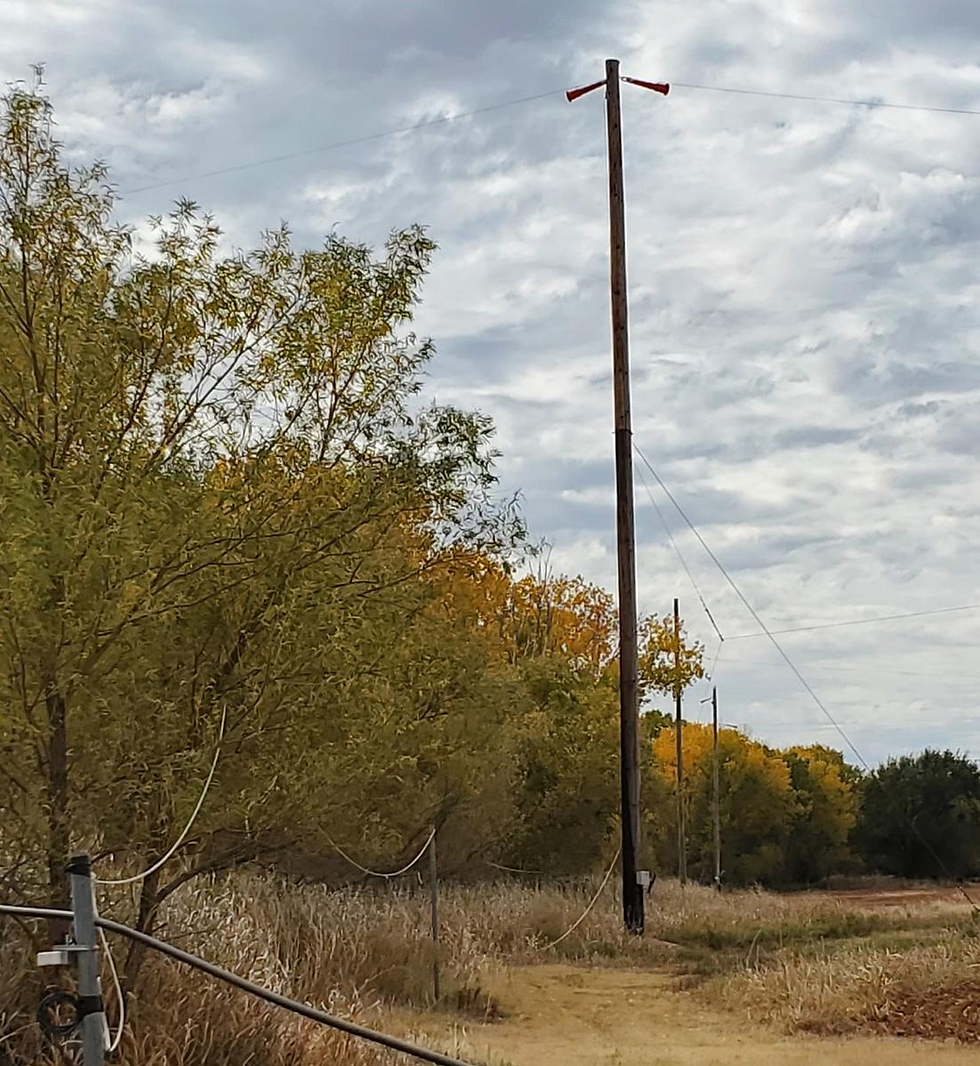
The Rhombic and V-Beam antenna array is still an excellent HF antenna for commercial, maritime shore stations, military, broadcasting, frequency agile, requirements, high speed traders, diplomatic, EME and ham amateur radio.
Legal Requirements
Addressing the legal requirements for the remote operation of ham radio stations is essential. Operators must comply with the regulations established by their country's licensing authority. This involves understanding specific rules related to remote operation, such as limitations on power output, frequency usage, and the necessity of holding a valid amateur radio license. The K0UO remote station is capable of operating at QRO+ power levels permissible in the USA. Furthermore, operators should be cognizant of any local laws that might affect their ability to operate remotely, particularly when equipment is used across different jurisdictions.
No user may disclose or share passwords, confidential information, the use of how AI is setup and used, proprietary sofeware programs and data reports, fail safe procedures, DoD or commercial customers data or names, sensitive information, equipment or advance configurations. This is a very unique facility with on going projects, hams now an opportunity to use this special station and site.

Practical Considerations
When setting up a remote station, practical considerations come into play. For instance, operators should evaluate the reliability and speed of their internet connection, as poor connectivity can lead to frustrating interruptions during operation. Furthermore, considerations such as power supply, environmental factors affecting equipment performance, and security measures to protect the station from unauthorized access are paramount.
In conclusion, the ability to operate a ham radio station remotely opens up a world of possibilities for amateur radio enthusiasts. By leveraging modern technology, operators can enjoy the freedom to connect with fellow hams from anywhere, ensuring that they can participate in their favorite activities without being tethered to a specific location.
Inquiries and Usage
The owner of the K0UO location receives a variety of inquiries annually, reflecting the diverse interests of the amateur radio community. These inquiries typically include:
Requests for scheduled use during most contests
Inquiries about availability for DXing
Casual usage requests for personal enjoyment or experimentation
The K0UO/R location remains a popular choice for amateur radio operators seeking a remote station for various purposes. Its appeal lies in its capabilities for Competitive Contesting, DXing, and casual use, making it a valuable asset in the amateur radio community. The station site is part of the K0UO RSI Corp Far-Field Test Range which has a Extremely Low Noise Floor: Located out in wide-open, rural areas, the RF noise floor is virtually "absolute zero", allowing the station to hear weak signals that are entirely invisible to urban or suburban operators.
It is a Station Built on Scale and Precision
K0UO is not just large—it is engineered. The station features:
Massive high‑frequency antenna arrays spanning acres of open land
High‑gain directional LPDA, 4 Sqs, and other systems optimized for long‑distance DX work
Custom‑built towers and "Smart" switching networks designed for rapid band agility
Redundant, high‑power QRO+ RF chains, capable of punching through noise and reaching the most remote corners of the globe
It is also a full "Remote Ham" station used by other hams for Contest and DX a full set of FlexRadios for six HF bands at once
This combination of scale and precision places K0UO among the elite stations worldwide, often outperforming commercial‑grade installations.
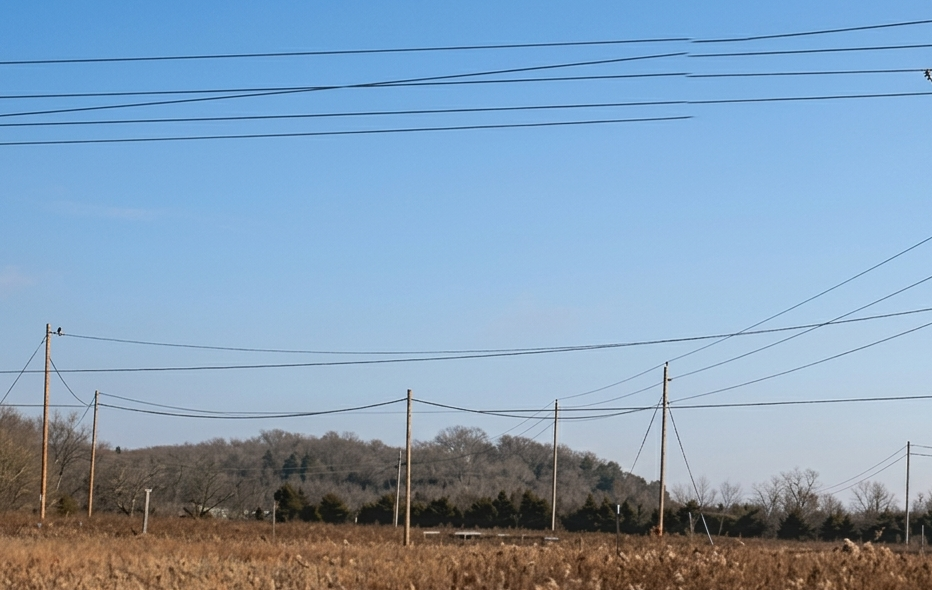
K0UO’s Operational Advantage
For K0UO, this integration means:
Transmitter location: No need to move or reconfigure the TX; the model adapts to current ionospheric conditions.
Multiple receive locations: The software can simulate and analyze the entire HF spectrum for all intended receive points simultaneously.
Real-time "AI Smart" decision-making: Operators can immediately view predicted coverage, SNR, and optimal frequencies for all circuits, facilitating swift HF planning and execution. Get the most that you can out of you station like real time band conditions using a private proprietary with AI input which is used at K0UO daily.
Network‑enabled updates: AI‑driven updates ensure the model stays current with global ionospheric changes, improving reliability for both amateur and other mission‑critical use.
Predictive Modeling: K0UO is now using machine learning models trained on decades of solar cycles, sunspot data, and real-time ionospheric sounding data.
K0UO leverages "AI Smart Systems" to extensively control the main station remotely, optimizing performance across antennas, frequencies, band conditions, and contests. AI functions act as advisory and automation tools, enabling operators worldwide to engage with the station efficiently and effectively, even when transmitting from the station.

Note to contest operators, Clubs, DXers, and remote users of the K0UO facility: You must sign a non-disclosure agreement and keep the "exact location" of the K0UO site confidential. The site hosts priority DoD/DoW projects using specific HF high-gain antennas. You will be notified if an antenna is unavailable, as per the original agreement, which states certain antennas are not guaranteed and may change without notice, following the Department of Defense utilization clause (30 days on most agreements).
The K0UO location owner receives many inquiries annually for remote station use for various purposes such as DXing, casual amateur radio operations, or competitive contests. The increasing interest in utilizing remote stations has led to a significant number of requests each year, reflecting the growing popularity of amateur radio as a hobby and a means of communication. However, due to the limited access to this particular remote station, a strict protocol has been established to manage these inquiries effectively and ensure that all users adhere to the necessary guidelines. In order to maintain the integrity of the remote station and protect the interests of the owner and others, it is crucial that all users comply with the non-disclosure terms outlined in the agreement. This means that while users may be granted access to the station for their amateur radio activities, they must refrain from disclosing any sensitive information regarding the station's exact location or the identity of its owner. Such information is considered confidential, and any breach of this agreement could lead to serious consequences, including the revocation of access privileges. Although there are instances where contest location disclosure is necessary for participation in competitive events, users are permitted to state that the station is situated in Grid Square EM07, Barber County, Kansas. This general information allows for some level of participation in contests without compromising the confidentiality of the station's precise location. It is essential for all users to understand that revealing the exact location or the owner's call sign is not only against the terms of the agreement but could also undermine the trust and security that have been established for the use of the station. If you find yourself in a position where you have received approval to use the station, it is imperative to enjoy the experience responsibly and in accordance with all set guidelines. Engaging in amateur radio activities at the K0UO location can be incredibly rewarding, offering opportunities to connect with fellow enthusiasts, participate in exciting contests, and explore the vast world of DXing. However, this enjoyment should always be balanced with a commitment to respecting the rules and maintaining the confidentiality that is critical to the ongoing operation and accessibility of this unique remote station.

Geographic Propagation Advantage of Kansas at this station, with less than 5 to 10 degrees take off angles, K0UO is always the first to open to Europe, Asia and over the poles to western Asia & Mideast, and it is always open to South America.
The facility is equipped with state-of-the-art, high-quality equipment, such as Flex 8000 and Icom 7760 transceivers, amplifiers, advanced AI control systems, and large HF antennas, including Rhombic, V beams, Delta Loop quad-beams, LPDA beams, 4 Squares, and more, with no expense spared.
Utilizing Spatial & Receive Diversity at K0UO: Thanks to the expansive physical area, the station can achieve true 100% transmit and receive diversity. By placing antennas thousands of feet apart on the property, the system effectively eliminates localized signal fading (QSB).
The widely acclaimed new SuperFox mode for FT8 is now seamlessly integrated into the "K0UO Remote system". There's no need to install WSJT-X, the RHR desktop app, or configure DAX or CAT.
Just connect, switch to FT8, tune to the DX frequency, and change the mode from Normal to SuperHound. Then proceed with the FT8 QSO as usual.
Please note that DX stations are not situated on the standard FT8 sub-bands. For the latest active frequencies, refer to DX Spots.
Utilize FT8 directly from your web browser—just activate a station and start DXing. It has never been easier. Additional software is not required!

Operating Profiles address this issue by allowing you to establish a customized set of radio controls that are immediately configured upon connecting to the station
.AGCT control added
Added more options for PTT key combos: Ctrl+Shift, Alt+Shift, Alt+Spacebar and many others can be setup.
Overview FlexRadio: Modern Flex 8000 and Aurora radios are ingeniously designed as IP radios, integrating advanced technology that allows the radio interface to function as a sophisticated PC program. This innovative architecture means that the traditional hardware limitations of radios are significantly reduced, enabling a more flexible and versatile operation. Despite this modern approach, many experienced operators have successfully utilized Mumble in conjunction with a Remote Desktop Client, a combination that has been rigorously tested through countless QSOs, amounting to tens of thousands of successful communications. This method has proven to be reliable and effective, showcasing the adaptability of the Flex system in various operating environments. The Flex client operates directly on the desktop where the radio is situated, eliminating the necessity for IP connectivity in this configuration. This setup not only simplifies the connection process but also offers optimal performance of the Flex user interface (UI), ensuring that users can enjoy a seamless and responsive experience while operating the radio. The direct connection enhances the interaction with the radio, making it more intuitive and efficient for operators to manage their communications. However, audio transmission presents another layer of complexity within the Flex ecosystem. Historically, Flex radios have faced challenges related to latency-over-time issues, particularly with the Digital Audio Exchange (DAX) feature. These latency issues have been a concern for many users, as they can disrupt the quality of audio and affect overall communication effectiveness. Fortunately, according to recent reports from the Flex community, these latency problems have been addressed and resolved, leading to improved performance and reliability in audio transmission.

There has been tens of thousands of new contact QSOs by others, using their on calls on the K0UO/R
Is it necessary to disclose remote operation during broadcasts?
Per FCC Part 97 regulations, there is no requirement to disclose remote operation when using ham radio. Operators must identify themselves using their callsign in line with standard identification protocols. The control point can immediately terminate transmissions if necessary (which the K0UO station can at anytime, and also has a fail safe). The remote nature of the operation does not impact these identification requirements. Although some operators may opt to mention their remote setup in informal conversations, it is not a compulsory practice. K0UO owns the physical hardware and is simply providing the infrastructure for lease. Because the owner does not profit from the content of what you say on the air, they are not violating the prohibition against "communications for hire". The ARRL and the FCC fully recognize remote operating as a legitimate way to hold an amateur license, provided the remote software immediately cuts the connection and drops the carrier if the internet link fails which, K0UO/R does. [1, 2, 3, 4]
NTIA users under RSI Corp, commercial or DoD/DoW, must follow their requirements for remote access, or the used of the RSI Corp test range site.


Why K0UO went to the big Rhombic arrays
K0UO would have saved a lot of money $$$, time, frustration, and regret, if he had not put up the 200 ft rotating towers, with all the stacked aluminum beams. This was back in the late eighties and 1990s, when his wife moved back to the Kansas Ranch, and he started building the dream station.
For first 15 years on the ranch, was spent each spring, summer, and fall working on mechanical things. It was just non-stop repairs and replacement of components.
Each winter the big Arctic ice and wind storms out on the high open prairies, east of the Rocky Mountains in Western Kansas, destroyed every aluminum or fiberglass antenna that was installed, even the commercial ones rated for 125 mph.
No yagi can bet the very large Rhombic or Curtain Arrays.
NOTE: Do not underestimate the performance of the Rhombic unless you have personally built and used one. The Rhombic antenna, with its unique design and operational characteristics, is a remarkable tool in the world of radio communication. Its expansive size, often spanning several acres, is not merely a design choice but a fundamental aspect that contributes to its exceptional performance. When you consider the sheer length of wire involved—often thousands of feet elevated in the air—the advantages become starkly apparent. This extensive configuration allows for a significant elevation of the antenna, which is crucial for effective signal reception and transmission. One of the primary benefits of the Rhombic antenna is its ability to provide receive signal diversity. By capturing signals at various times and angles, it effectively combats the issues associated with fading, commonly referred to as QSB. This phenomenon can severely impact communication quality, especially in environments with varying atmospheric conditions. The Rhombic's design mitigates these effects, allowing for a more stable and reliable signal. This capability is particularly advantageous in long-distance communication, where signal integrity is paramount. In addition to its reception capabilities, the Rhombic antenna also excels in transmitting radio frequency (RF) signals. The way it radiates RF is akin to its reception method, utilizing the same principles of spatial diversity to enhance transmission quality. This dual functionality makes the Rhombic an invaluable asset for both amateur and professional radio operators who seek to maximize their communication range and clarity. Moreover, traveling wave antennas, such as the Rhombic, are distinctive in their operation. They differ significantly from many commonly used antennas, such as dipoles or Yagis, which often rely on standing wave patterns. The Rhombic, in contrast, employs a traveling wave mechanism that allows it to maintain consistent performance across a wide frequency range. This characteristic is not easily captured through traditional modeling techniques, which may fail to reveal the full extent of the Rhombic's advantages. The unique geometry of the Rhombic antenna, typically featuring a diamond-like shape, contributes to its ability to handle high power levels while maintaining efficiency. Its design also allows for a relatively low angle of radiation, which is beneficial for long-distance communication, especially in HF (High Frequency) bands. Overall, the Rhombic antenna represents a sophisticated solution for those serious about radio communications. Its performance, particularly in terms of signal diversity and resilience against fading, is best appreciated through firsthand experience. Therefore, any assessment of its capabilities should be grounded in practical application rather than theoretical modeling alone. For anyone considering the implementation of a Rhombic antenna, personal experimentation and construction will yield insights that mere observation cannot provide.
Support the group, Amateur Radio Digital Communications, ARDC and be a Volunteer
Thank You 73
K0UO
SEE ALL POST AND BLOGS & Just Skip the first hear pages this is a Blog
A true remote ham radio platform is the correct is the best way to go. You want structured access, reliable AI advance control, and a workflow designed for actual operating.
"The K0UO/R station is unlike any other ham station globally," making it truly unique as a Big Gun Mega Station. This distinction arises from its exceptional capabilities, which set it apart from typical amateur radio stations found around the world. K0UO is not only equipped with advanced technology but also boasts a wide range of specialized antennas that are essential for high-performance communication. One of the most remarkable features of K0UO is its ability to construct and utilize very large Rhombic and V Beams, which are known for their excellent directional properties and efficiency in long-distance communication. These antennas are meticulously designed to optimize signal strength and clarity, allowing operators to engage in reliable communication over vast distances. The station's commitment to innovation is further demonstrated by its incorporation of artificial intelligence (AI) technologies, which enhance operational efficiency and enable sophisticated signal processing capabilities.
K0UO/R features the largest operational HF ham radio wire antennas in the world, a testament to its status as a premier facility for amateur radio enthusiasts. This massive antenna system is capable of handling a wide range of frequencies, making it versatile for various communication modes and conditions. The sheer size and design of this antenna allow for exceptional performance during contests and DX (long-distance) operations, where every decibel of signal strength can make a significant difference. Moreover, the station's infrastructure is professionally maintained to ensure optimal performance year-round. The combination of advanced engineering, high-quality materials, and expert craftsmanship results in a station that not only meets but exceeds the expectations of amateur radio operators. The community surrounding K0UO/R is also vibrant, with operators frequently sharing knowledge, techniques, and experiences, further enhancing the station's reputation as a hub for innovation and excellence in the amateur radio world. In conclusion, K0UO stands out not just for its impressive array of antennas and cutting-edge technology, but also for its commitment to fostering a community of passionate radio operators. This makes it a truly unique entity in the realm of amateur radio, solidifying its position as a Big Gun Mega Station recognized and respected by enthusiasts globally.
"I hope others will carry on the tradition, and art of building the large Rhombic Arrays in the future". It is truly the "PHD" of wire antennas. Steve Walz K0UO

K0UO Remote: remote access built for contest-grade confidence and serious DXing. I wrote this deep dive to show how a world‑class antenna farm and remote Flex/Icom stack become a reliable, contest-ready station you can operate from anywhere. Why operators choose K0UO: multi‑operator, multi‑transmitter capability (six independent stations), Flex 8000/9300/9600 and Icom IC‑7760 radios with high‑power amplifiers, miles of high‑gain wire arrays (rhombics, V‑beams, LPDAs, four‑squares), FCC‑registered towers to 300 ft, and an RF‑quiet, rural test range that hears signals urban stations miss. Reservation guarantees for contests mean you keep your seat through breaks - ideal for club multi‑multis and serious single‑op efforts.
"Over the years, my primary passion in amateur radio has been the design, modeling, and empirical testing of large-scale, high-gain HF wire arrays—particularly rhombics, V-beams, and multi-element configurations. Because of the physical space required for these traveling-wave systems, the station has evolved into a comprehensive outdoor test range. For those interested in the technical side, I’ve published the complete far-field test data, antenna models, and construction logs openly on my Blog and QRZ.com. I always welcome connecting with fellow builders and engineers who share a fascination with classical HF propagation." 73 Steve Walz, K0UO
BELOW IS A DRAFT OVERVIEW
The agreement is confidential, prohibiting disclosure to others. This ensures sensitive information remains protected. Each agreement is customized to meet specific needs, fostering trust and communication while safeguarding interests. Breaching confidentiality can result in legal consequences and loss of trust. Respect the agreement terms and maintain confidentiality at all times.
MUTUAL NON-DISCLOSURE AGREEMENT
This Confidential Non-Disclosure Agreement (the "Agreement") is entered into and made effective as of this _____ day of ____________, 20___ (the "Effective Date"), by and between:
Station Owner/Operator: Steve Walz (Call Sign: K0UO), operating the facility in Barber County, Kansas (hereinafter "Disclosing Party").
Remote Amateur Radio User/Operator or Contest Group: ____________________________________, residing at ____________________________________ (hereinafter "Receiving Party").
1. Purpose
The Disclosing Party operates a sophisticated and private high-power HF (High Frequency) radio facility that is equipped with an array of specialized amateur radio equipment and advanced radio arrays. This facility not only serves as a hub for amateur radio enthusiasts but also houses commercial-grade test equipment and facilitates various collaborative projects aimed at pushing the boundaries of radio communication technology. The infrastructure is designed to support a wide range of activities, from casual amateur radio operations to high-stakes competition scenarios. The Receiving Party expresses a keen interest in obtaining authorized remote access to the K0UO facility for remote ham radio groups do not violate FCC regulations for amateur radio, because the pecuniary interest rule applies to the transmissions themselves, not the hardware equipment leases, under 47 C.F.R. § 97.113. This access is intended for several purposes, including DXing, which involves making long-distance radio contacts, casual operations where operators engage in informal communication, and participation in major contests. These contests can be quite intense and competitive, particularly in formats such as Multi-Operator, Multi-Transmitter (MM), which involves multiple operators using multiple transmitters simultaneously to maximize their effectiveness and scoring potential. In the context of a standard 6-band contest, which typically includes the bands of 160 meters, 80 meters, 40 meters, 20 meters, 15 meters, and 10 meters, the K0UO facility is particularly well-suited for Multi-Multi operations. This means that the facility can support six independent stations that operate concurrently, utilizing the advanced Flex radio equipment and high-performance amplifiers that are part of the facility's arsenal. Additionally, the incorporation of advanced AI control systems allows for optimized performance and operational efficiency, enabling seamless coordination among the multiple stations. To further enhance the capabilities of these operations, K0UO is equipped with dedicated, massive directional antennas. These antennas include a variety of sophisticated designs such as Rhombics, V beams, four squares, LPDA-Yagis, and stacked or phased Delta loop beams, as well as quads, each meticulously engineered to perform optimally on specific bands. The strategic placement of these antennas, often positioned hundreds of feet apart, is crucial for minimizing interference between the different transmitters, ensuring that each station can operate effectively without disrupting the others. In connection with granting this remote access, the Disclosing Party will share a wealth of highly sensitive, proprietary, and confidential information. This includes detailed geographic and operational site data, which is essential for understanding the unique advantages of the facility. Additionally, the Disclosing Party will disclose engineering specifications, programs, software, and equipment details that are vital for the Receiving Party to fully utilize the K0UO facility's resources. This exchange of information is designed to foster collaboration while ensuring that both parties maintain the integrity and confidentiality of the operational parameters and technological innovations that define the K0UO facility.
2. Definition of Confidential Information
"Confidential Information" refers to any proprietary information, technical data, or structural details disclosed by the Disclosing Party, whether orally, visually, or via digital access, including but not limited to the following critical aspects:
The exact physical location, physical address, precise coordinates, or visual landmarks of the K0UO facility and antenna arrays. This includes not only the geographic coordinates that pinpoint the facility on a map but also any relevant surrounding features that could aid in identifying the site. Such information is vital for operational security and must be handled with the utmost care to prevent unauthorized access or potential sabotage.
Proprietary station control systems, automated hardware configurations, specific software integrations, and undisclosed telemetry. This encompasses the intricate details of how the station operates, including the unique algorithms and protocols that govern the automated systems. The disclosure of such information could lead to vulnerabilities that competitors might exploit, thereby undermining the competitive advantage held by the Disclosing Party.
Details regarding site operations, scheduling, or equipment modifications. This includes comprehensive information about the daily operational procedures, maintenance schedules, and any planned upgrades or changes to the equipment used at the facility. Such operational insights are crucial as they not only reflect the efficiency and effectiveness of the site’s management but also play a significant role in strategic planning and resource allocation for future projects.
3. Permitted Disclosures & Contest Exceptions
The Disclosing Party acknowledges that contest operations and amateur radio logging inherently require geographical station reporting.
Allowed Disclosure: The Receiving Party is strictly permitted to log, report, or publicly state that the station is located in Grid Square EM07, Barber County, Kansas.
Prohibited Disclosure: Any disclosure linking the specific call sign "K0UO", the owner's identity, or the detailed physical infrastructure to a precise physical map location or address constitutes a direct breach of this Agreement.
4. Obligations of the Receiving Party
The Receiving Party agrees to:
Maintain all Confidential Information in the strictest confidence and implement reasonable safeguards to prevent unauthorized disclosure.
Abstain from sharing, publishing, or distributing any screenshots, software configurations, or network data that could expose the precise location or structural specifications of the station.
Comply fully with all non-disclosure terms at all times, maintaining absolute confidentiality even after remote access privileges conclude.
5. Antenna Availability & Utilization Clause
The Receiving Party explicitly acknowledges and agrees that access to the facility's massive high-gain HF antennas (including the Rhombic arrays, V-beams, Delta Loop quad-beams, and HRS Curtain arrays) is not guaranteed at all times.
Pursuant to facility operational guidelines and utilization clauses, specific antennas may be reallocated, restricted, or altered without prior notice.
The site hosts priority DoD/DoW projects using specific HF high-gain antennas. You will be notified if an antenna is unavailable, as per the original agreement, which states certain antennas are not guaranteed and may change without notice, following the
Department of Defense (Department of War) utilization clause is a critical component within the framework of contracts and agreements that are established by the Department of Defense (DoD). This clause is designed to ensure that the resources, equipment, and services provided under a contract are used effectively and efficiently in support of the Department's mission objectives. Purpose of the Utilization Clause: The primary purpose of the utilization clause is to maximize the value derived from Government expenditures and to ensure that all assets are employed in a manner that aligns with the strategic goals of the DoD. By stipulating specific conditions under which resources can be utilized, the clause helps to prevent waste and misuse, thereby safeguarding taxpayer dollars. Key Elements of the Utilization Clause: Resource Allocation, One of the key elements of the utilization clause involves clear definitions regarding how resources should be allocated. This includes specifying which departments or units within the DoD are authorized to use certain assets, as well as outlining the processes for requesting and obtaining permission for their use. Accountability and Reporting Another important aspect of the utilization clause is the emphasis on accountability. Contractors like K0UO and DoD personnel are often required to maintain detailed records of how resources are utilized. This not only facilitates oversight but also allows for the assessment of resource effectiveness and efficiency over time. Regular reporting may be mandated to ensure compliance with the stipulations of the clause. Compliance with Regulations The utilization clause also serves to reinforce compliance with broader federal regulations and policies. This includes adherence to environmental standards, safety protocols, and any other legal requirements that govern the use of government resources. By embedding these requirements within the utilization clause, the DoD can better ensure that its operations are conducted within the bounds of the law. Implications for Contractors For contractors working with the Department of Defense, understanding the utilization clause is essential. It directly impacts how they manage their resources and fulfill their contractual obligations. Failure to comply with the terms of this clause can result in penalties, including financial repercussions or the termination of contracts. Therefore, contractors must be diligent in their approach to resource management and ensure that they are fully aware of the stipulations outlined in the utilization clause. Conclusion In summary, the Department of Defense utilization clause is a vital part of the contractual landscape within which the DoD operates. It not only promotes the efficient use of resources but also ensures accountability, compliance, and strategic alignment with the Department's overarching goals. Understanding and adhering to this clause is crucial for both the DoD and its contractors, as it ultimately contributes to the effectiveness of defense operations.
(30 days on most agreements) however DoD has full control of the site as needed.
For most standard operating arrangements, a 30-day notice will be provided regarding long-term antenna availability changes, though immediate restrictions may occur due to DOD technical or priority requirements without liability to the facility owner.
No user may disclose or share passwords, confidential information, the use of how AI is setup and used, proprietary software programs and data reports, fail safe procedures, DoD or commercial customers data or names, sensitive information, equipment or advance configurations.
6. Term and Termination
The obligations of confidentiality outlined in this Agreement shall continue to remain in effect indefinitely from the Effective Date. This persistence of confidentiality is crucial to ensure that sensitive information remains protected, irrespective of the current status of the Receiving Party’s operational access to the K0UO facility. Specifically, this means that even if the Receiving Party's access is active, paused, or entirely terminated, the duty to maintain confidentiality does not diminish or lapse.
To elaborate further, the term "Effective Date" signifies the moment at which this Agreement becomes binding and enforceable, marking the commencement of the confidentiality obligations. The indefinite nature of these obligations underscores the importance of safeguarding proprietary information, trade secrets, and any other confidential materials exchanged during the course of the relationship between the parties involved. This provision serves to protect the disclosing party's interests and ensures that any information shared remains confidential, providing peace of mind that sensitive data will not be disclosed to unauthorized individuals or entities.
Moreover, the phrase "regardless of whether the Receiving Party’s operational access to the K0UO facility is active, paused, or terminated" indicates a comprehensive approach to confidentiality. It implies that the commitment to confidentiality is not contingent upon the level of access or engagement the Receiving Party has with the K0UO facility at any given time. This provision is particularly important in scenarios where access may be temporarily suspended due to operational changes, security assessments, or other logistical considerations. In such cases, the Receiving Party remains bound by the same standards of confidentiality as if they still had active access.
Ultimately, this clause is designed to reinforce the expectation that both parties will uphold their commitments to confidentiality, thereby fostering a trustworthy environment for collaboration. The enduring nature of these obligations reflects a recognition of the potential long-term implications of information sharing and the necessity for ongoing protection of confidential information, which could be vital for maintaining competitive advantage and ensuring compliance with legal and regulatory requirements.
7. Remedies and Breach of Trust
The Receiving Party acknowledges that any unauthorized disclosure or breach of this Agreement can lead to significant and immediate repercussions. Such actions not only result in an immediate loss of personal trust between the parties involved but also open the door to potential legal consequences that may include civil litigation, financial penalties, or even criminal charges depending on the severity of the breach. The impact of such breaches extends beyond legal ramifications; it can irreparably damage professional relationships and reputations, leading to a loss of future opportunities and collaborations.
Furthermore, the breach of trust entails the immediate, permanent revocation of all remote operation privileges granted to the Receiving Party. This revocation is not merely a procedural step; it serves as a critical protective measure designed to safeguard sensitive information and maintain the integrity of the operational framework established by the Agreement. The loss of remote operation privileges means that the Receiving Party will no longer have access to essential systems, data, and resources, which can hinder their ability to perform their duties effectively. This consequence underscores the importance of adhering strictly to the terms outlined in the Agreement.
In addition to these immediate consequences, the Receiving Party may also be subject to additional remedies as outlined in the Agreement. These remedies may include, but are not limited to, the requirement to provide restitution for any damages incurred as a result of the breach, the obligation to undergo additional training or oversight to prevent future occurrences, and the possibility of being held liable for any third-party claims arising from the unauthorized disclosure. It is imperative for the Receiving Party to understand the gravity of their responsibilities under this Agreement and the far-reaching implications that a breach could entail.
In essence, the remedies and consequences outlined in this section act as a deterrent to breaches of trust, underscoring the importance of preserving confidentiality and integrity in all communications and transactions related to the Agreement. By understanding the possible repercussions of a breach and the corresponding remedies, the Receiving Party is motivated to fulfill their obligations with maximum seriousness and care.
Within a Contest Group or Club, every Amateur Radio User/Operator is required to sign.
IN WITNESS WHEREOF, the parties hereto have executed this Mutual Non-Disclosure Agreement as of the Effective Date.
DISCLOSING PARTY: Signature: ____________________________________ Name: Steve Walz (K0UO) Date: ________________________
RECEIVING PARTY: Signature: ____________________________________ Printed Name: ____________________________________ Amateur Radio Call Sign (if applicable): ______________ Date: ________________________

K0UO also has HF LPDA (logs) Beams at the Station / RSI Corp outdoor antenna test facility in Barber County, Kansas. Known as "Antenna University," https://maps.app.goo.gl/CteuNyjrW5rzHv1X8

Scientific Research Projects
K0UO is uniquely positioned in an RF-quiet environment, allowing for the collection of raw data related to the interaction between the Sun and the ionosphere, as well as other aspects of our geophysical environment. This raw data, which encompasses noise data from these interactions and measurements of signal levels, contributes to a substantial dataset. This dataset is instrumental in enhancing our understanding of the enigmatic effects that the Sun and our space environment exert on our planet, both now and in the future.

K0UO is part of HamSCI, the Ham Radio Science Citizen Investigation, which serves as a platform to promote projects aligned with these goals:
Enhance scientific research and understanding through amateur radio activities.
Encourage the creation of new technologies to support this research.
Offer educational opportunities for both the amateur community and the general public.
HamSCI facilitates collaboration between professional researchers and amateur radio operators. It helps establish and maintain standards and agreements among all participants.
What is HamSCI's scientific focus?
HamSCI was initiated by ham-scientists who explore upper atmospheric and space physics. They realized that projects like the Reverse Beacon Network, WSPRNet, PSKReporter, DX Cluster, ClubLog, and others are producing extensive data sets that could offer valuable insights into the Earth's ionosphere and related systems. Consequently, HamSCI initially concentrates on these research areas. In the future, additional researchers may join and expand its scope. For scientists, collaborating with the amateur radio community provides access to individually managed stations, available in the hundreds across numerous countries, with receive and transmit capabilities across the electromagnetic spectrum, easily identifiable in areas of interest and deployable to remote locations.
Science Questions
How does the ionosphere react to inputs from space and the neutral atmosphere?
How does the ionosphere interact with the neutral atmosphere and space?
What causes medium and large scale traveling ionospheric disturbances?
What are the origins of Sporadic E?
Amateur Radio Questions
How do phenomena like solar flares, geomagnetic storms, and traveling ionospheric disturbances impact radio wave propagation?
How does ionospheric science assist amateur radio operators in enhancing communications?
How can I leverage my existing radio equipment for scientific initiatives?
SEE ALL POST AND BLOGS & Just Skip the first hear pages this is a Blog


Comments